Scichemtech · scichemtech.ae · +971 50 391 6126 · sales@sctme.ae
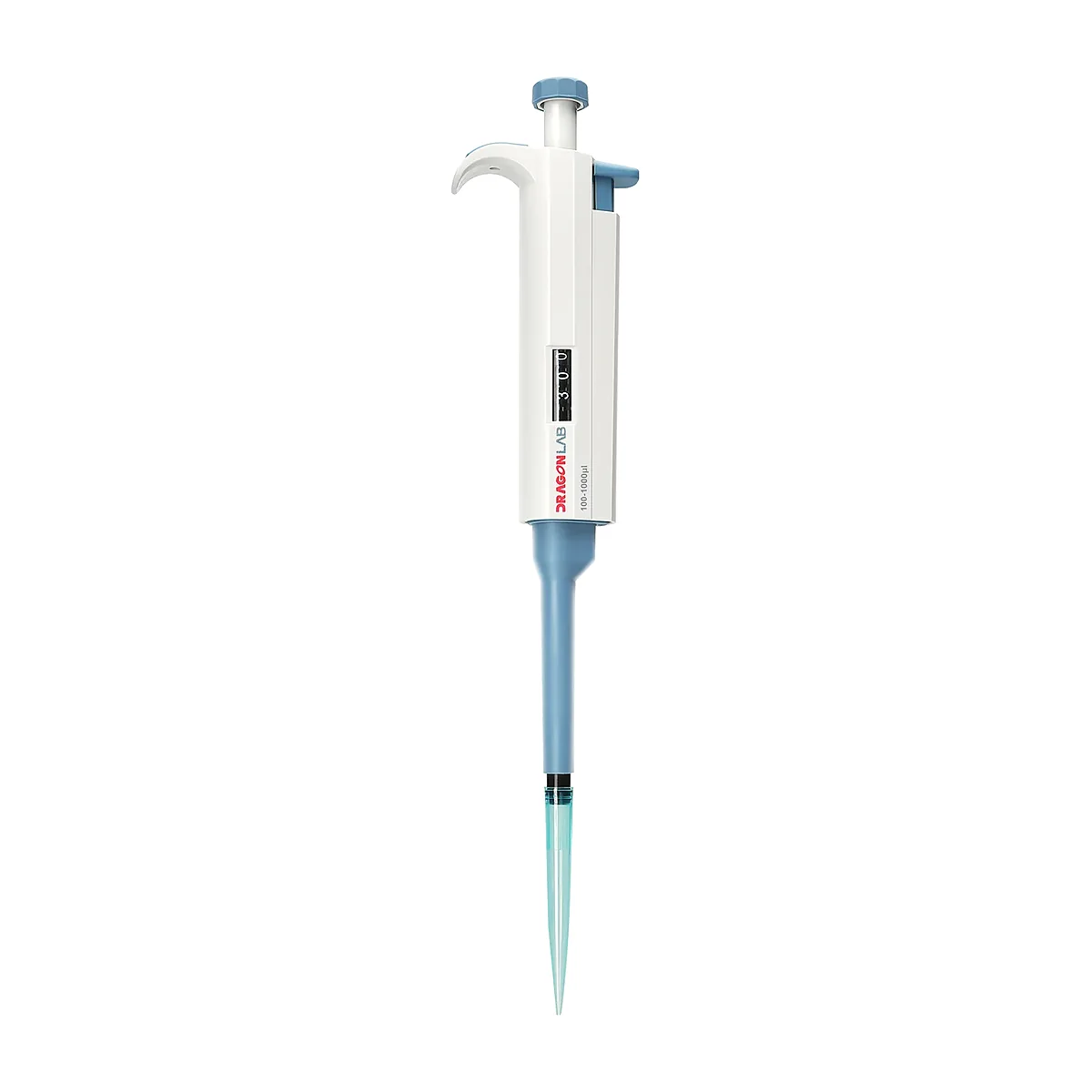
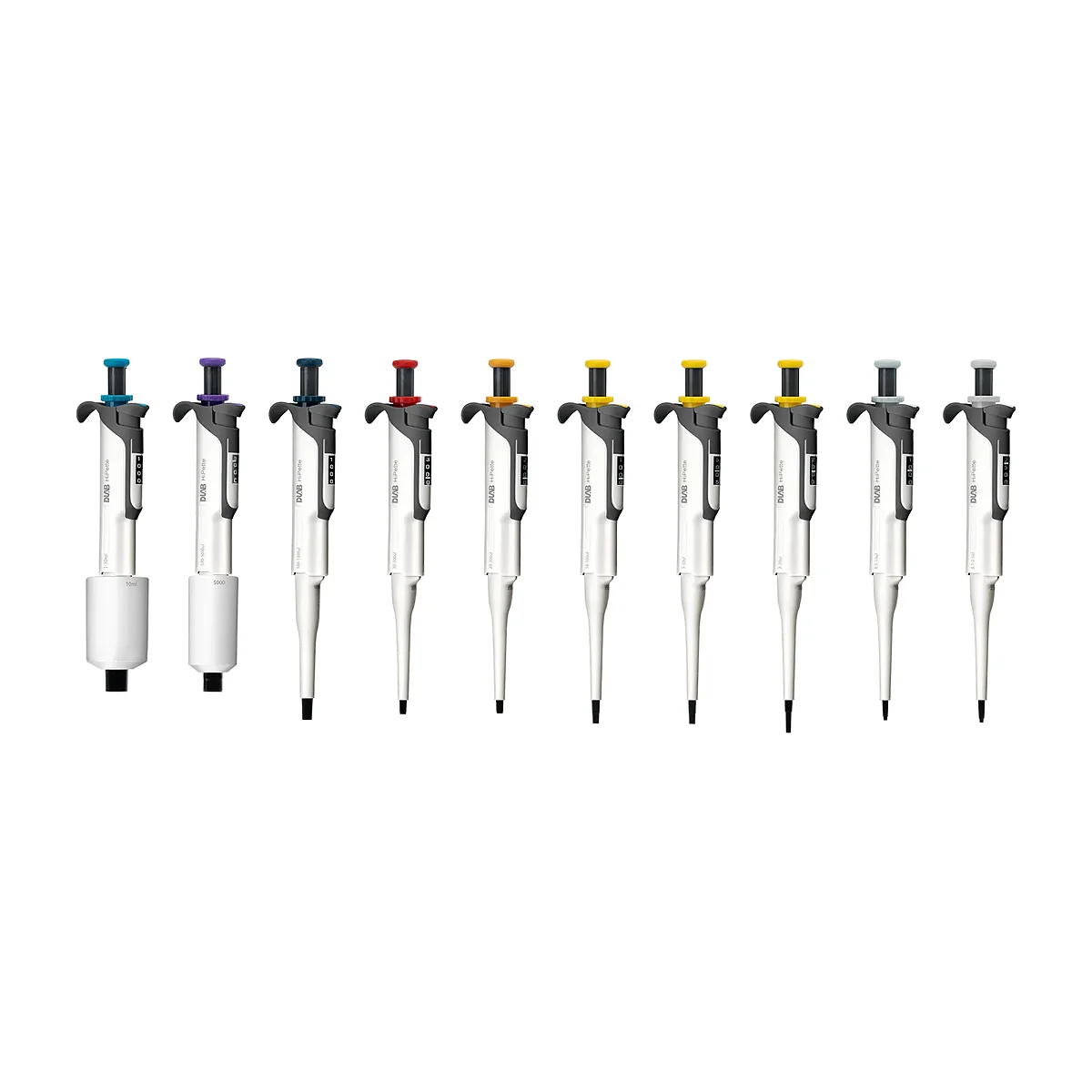
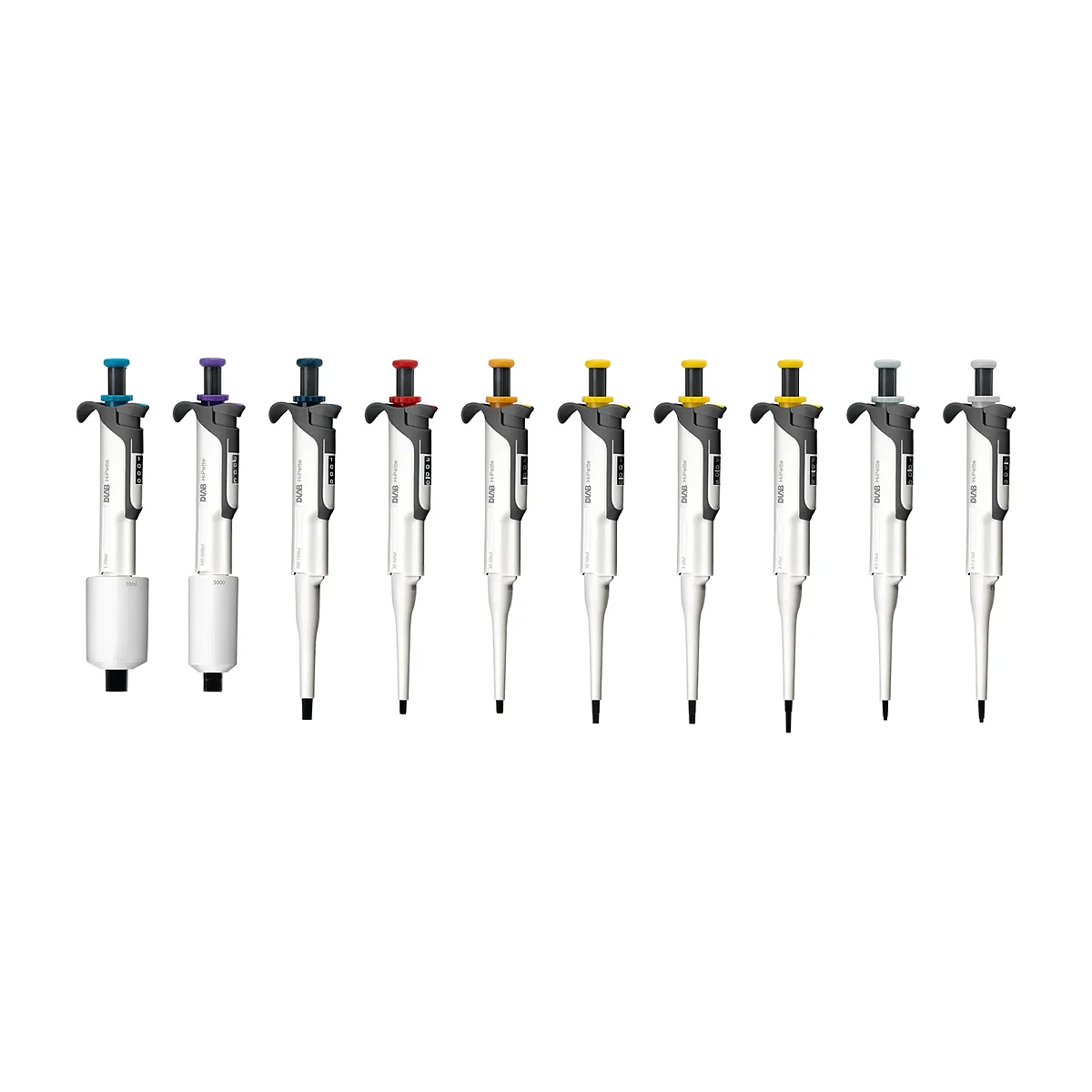
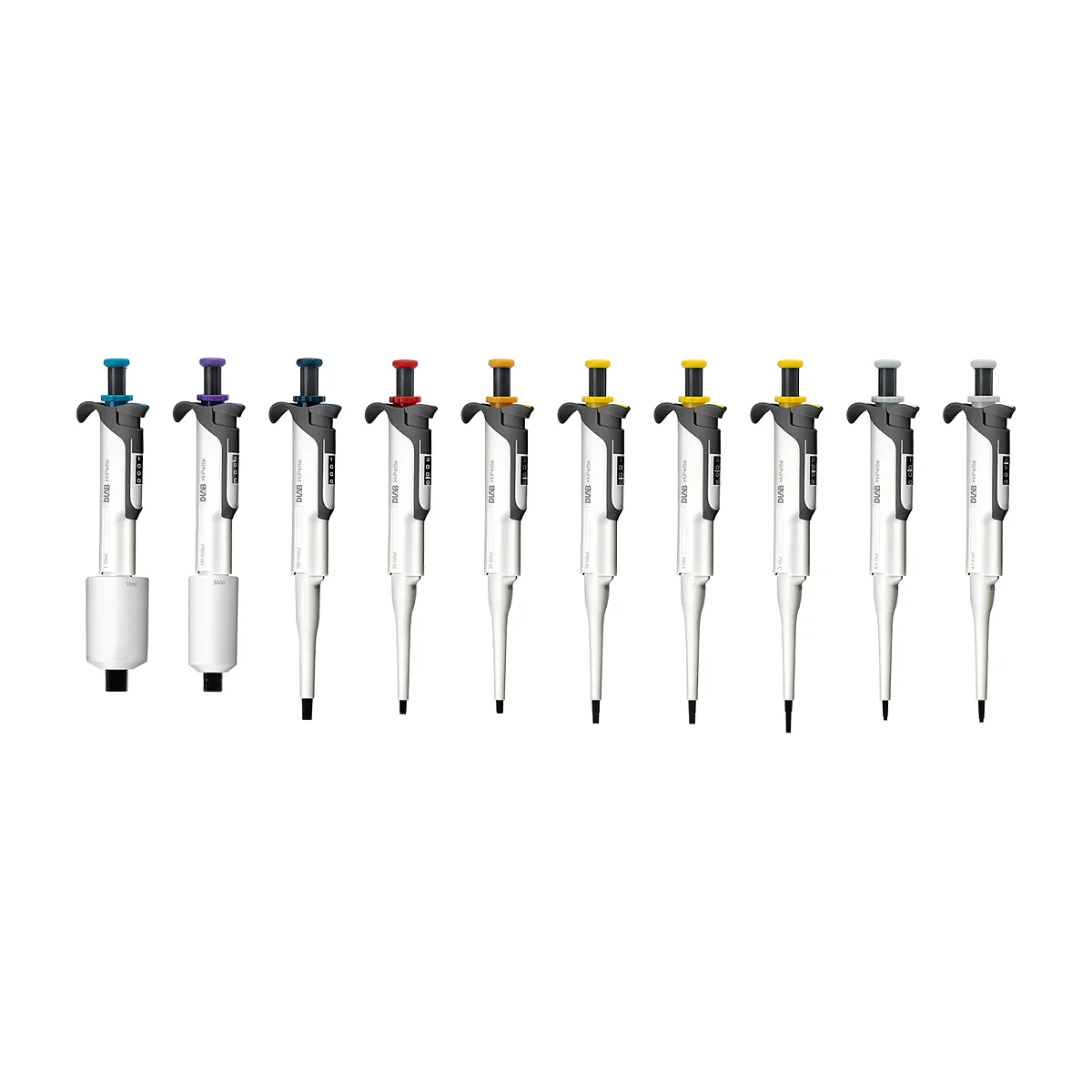
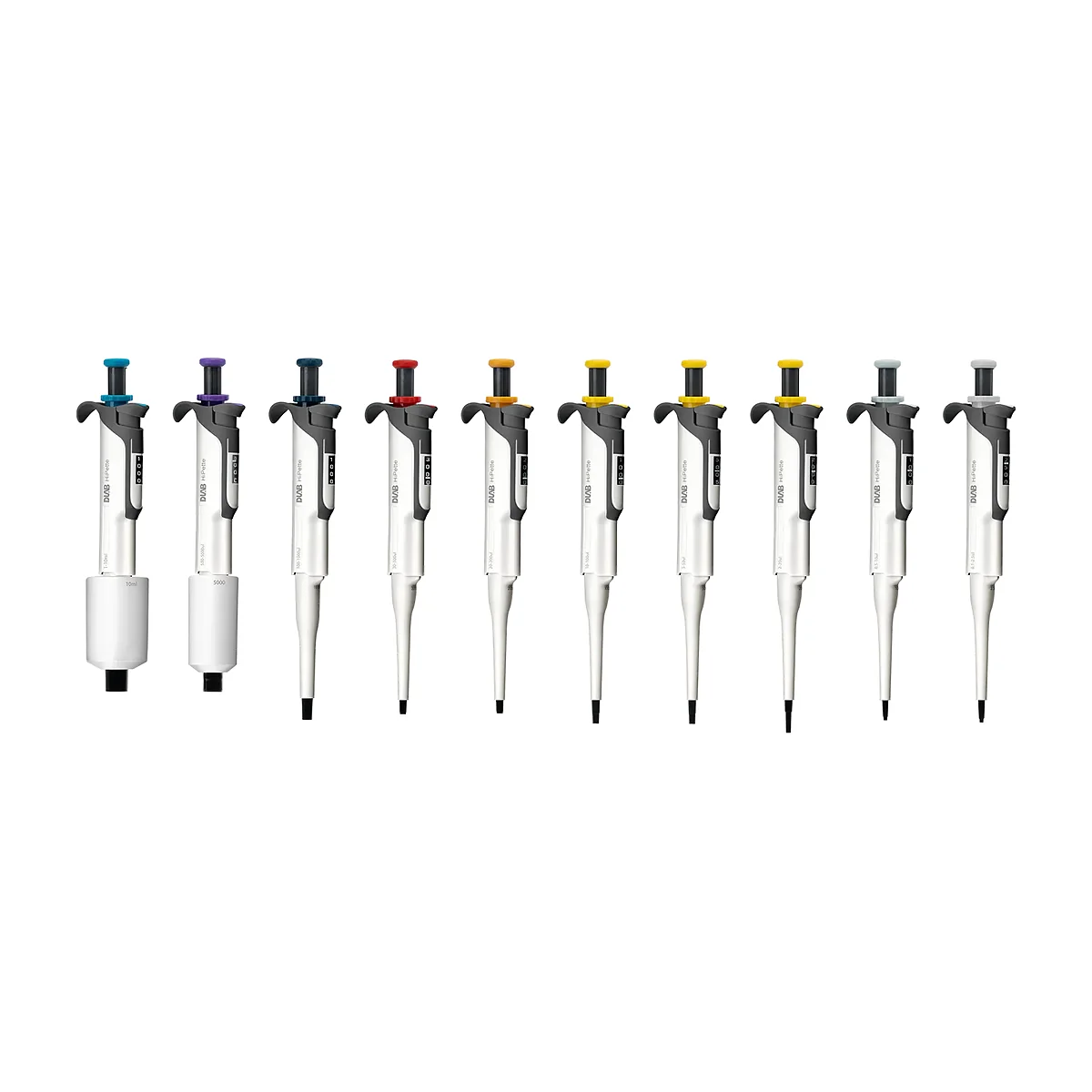
TopPette Adjustable Volume Mechanical Pipettes Volume Range 20-200μL | Each (7010101009)
Key features
- 20-200 μL range — most commonly used pipette volume in molecular biology
- Ergonomic lightweight body with low pipetting force
- Digital display; calibration adjusted with the DLab calibration tool
- Yellow tip cone fits universal 200 μL tips
- Supplied with individual test certificate
Overview
The DLab TopPette 20-200 μL is a single-channel adjustable mechanical air-displacement pipette covering the most-used range in molecular biology. It features ergonomic design, digital display, calibration with the DLab calibration tool, and ISO 8655 compliant performance with individual test certificate.
Specifications
| Model | TopPette (Cat. No. 7010101009) |
|---|---|
| Brand | DLab Scientific (Beijing) |
| Type | Single-channel, adjustable volume, air displacement |
| Volume Range | 20-200 μL |
| Increment (Step) | 1 μL (fine adjustment) |
| Accuracy (±%) | ±3.0% at 20 μL; ±1.0% at 100 μL; ±0.8% at 200 μL |
| Precision (CV%) | ≤1.5% at 20 μL; ≤0.4% at 100 μL; ≤0.3% at 200 μL |
| Tip Cone Color | Yellow (compatible with 200 μL tips) |
| Display | Digital mechanical counter |
| Calibration | Adjusted with the DLab calibration tool; refer to ISO 8655 |
| Autoclavability | Lower shaft only (121°C, 20 min) |
| Weight | ~80 g |
| Length | 180 mm |
| Standard | ISO 8655; CE-marked |
Applications
Used in molecular biology (PCR setup, DNA/RNA prep), immunoassays (ELISA), enzyme assays, cell culture media dispensing, and routine analytical chemistry. The 20-200 μL range is the workhorse for microplate-based workflows.
Setup guide
- Set volume via thumb wheel; verify on display.
- Attach tip firmly; pre-wet by aspirating/dispensing 3 times.
- Press plunger to first stop; immerse tip just below the surface, no deeper than 2 mm in the liquid.
- Slowly release plunger to aspirate; wait 1 second.
- Dispense to first stop, then second stop to blow out.
Compatibility
Compatible with universal 200 μL pipette tips. Optional: replacement seal kit; calibration tool; wall stand.
Precautions
Never pipette without a tip. Do not invert pipette with liquid in tip. Pre-wet tip 3 times for accurate delivery. Avoid pipetting concentrated acids/bases — use positive-displacement pipette instead.
Documents
FAQ
Can the TopPette 20-200 µL pipette be autoclaved?
DLab's pipette guide classes TopPette pipettes as semi-autoclavable: only the lower section can be autoclaved, at 121 C and 1 bar for 20 minutes. Let it cool and dry for 12 hours before use and check its performance afterwards. MicroPette Plus is the fully autoclavable DLab series.
How do I pipette correctly with the TopPette 20-200 µL?
Set the volume within the range only, approaching it from above, as forcing the knob past the limit can jam the mechanism. Pre-wet a tight-fitting tip 2-3 times. DLab's guide gives a maximum immersion depth of 2 mm for this volume class, so keep the tip just below the meniscus and hold the pipette vertical while aspirating.
How do I check or adjust the calibration of the TopPette 20-200 µL pipette?
To check volume, weigh dispensed distilled water on an analytical balance and convert the mass to volume with the ISO 8655-6 Z factor for the water temperature and pressure; 1 mL does not weigh exactly 1 g. To adjust, DLab's guide says to turn the calibration adjustment lock with the calibration tool. DLab states its specifications are guidelines and user calibration should refer to ISO 8655.
How should I store the 20-200 µL pipette and check it for leaks?
After use set the volume to the top of the range so the spring relaxes, and keep the pipette upright on a hook or pipette rack. Never lay it down with liquid in the tip. For a leak check, aspirate liquid, hold the pipette vertical for a few seconds and see if the level drops; if it does, check the tip fit, the spring and the piston.
When should I use reverse pipetting with the 20-200 µL pipette?
Use forward pipetting for aqueous, low-density liquids. DLab recommends reverse pipetting for viscous or volatile liquids: press to the second stop, release to aspirate more than the set volume, dispense to the first stop and discard the excess left in the tip. Pre-wet the tip by pipetting the liquid 2-3 times when you change volume or tip.