Scichemtech · scichemtech.ae · +971 50 391 6126 · sales@sctme.ae
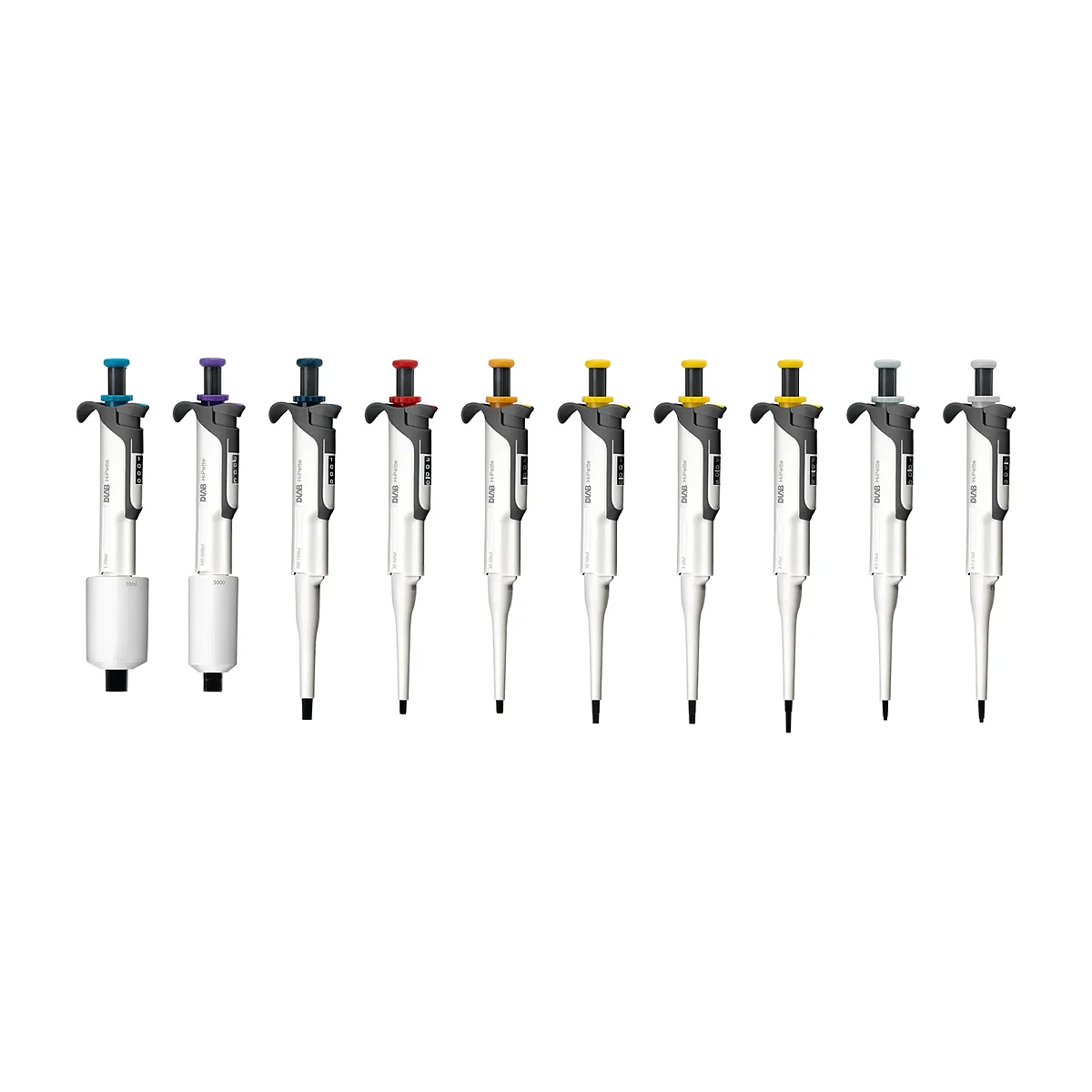
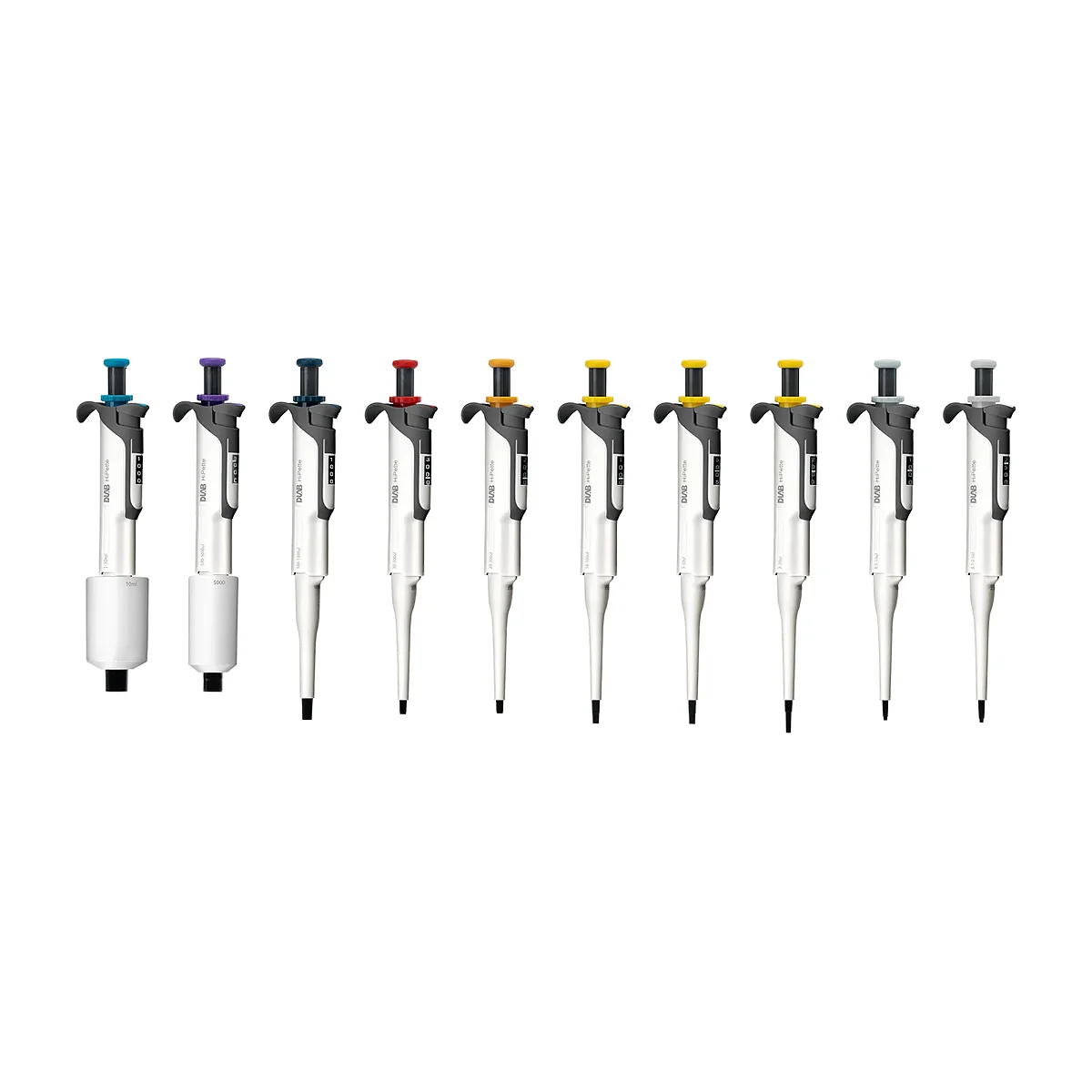
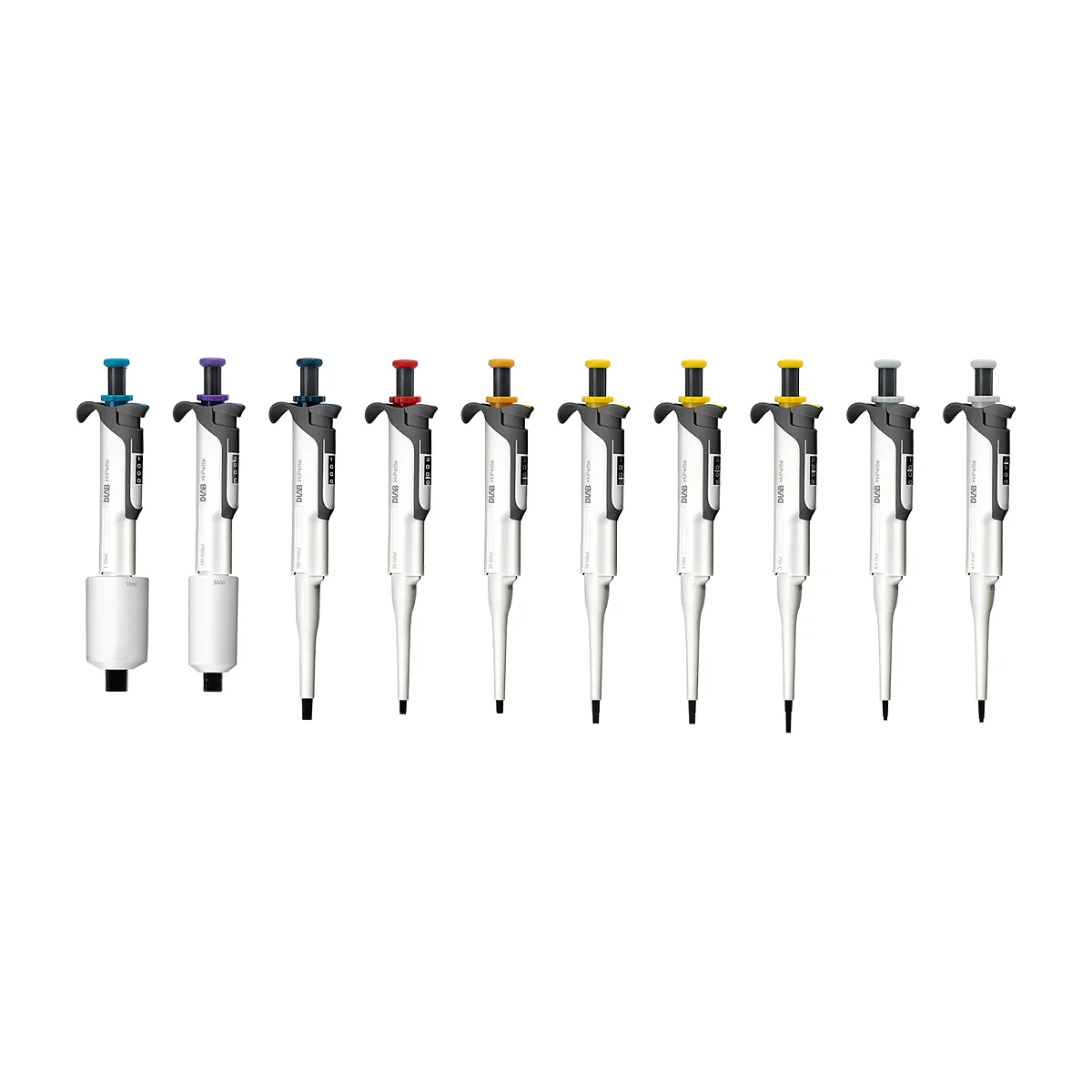
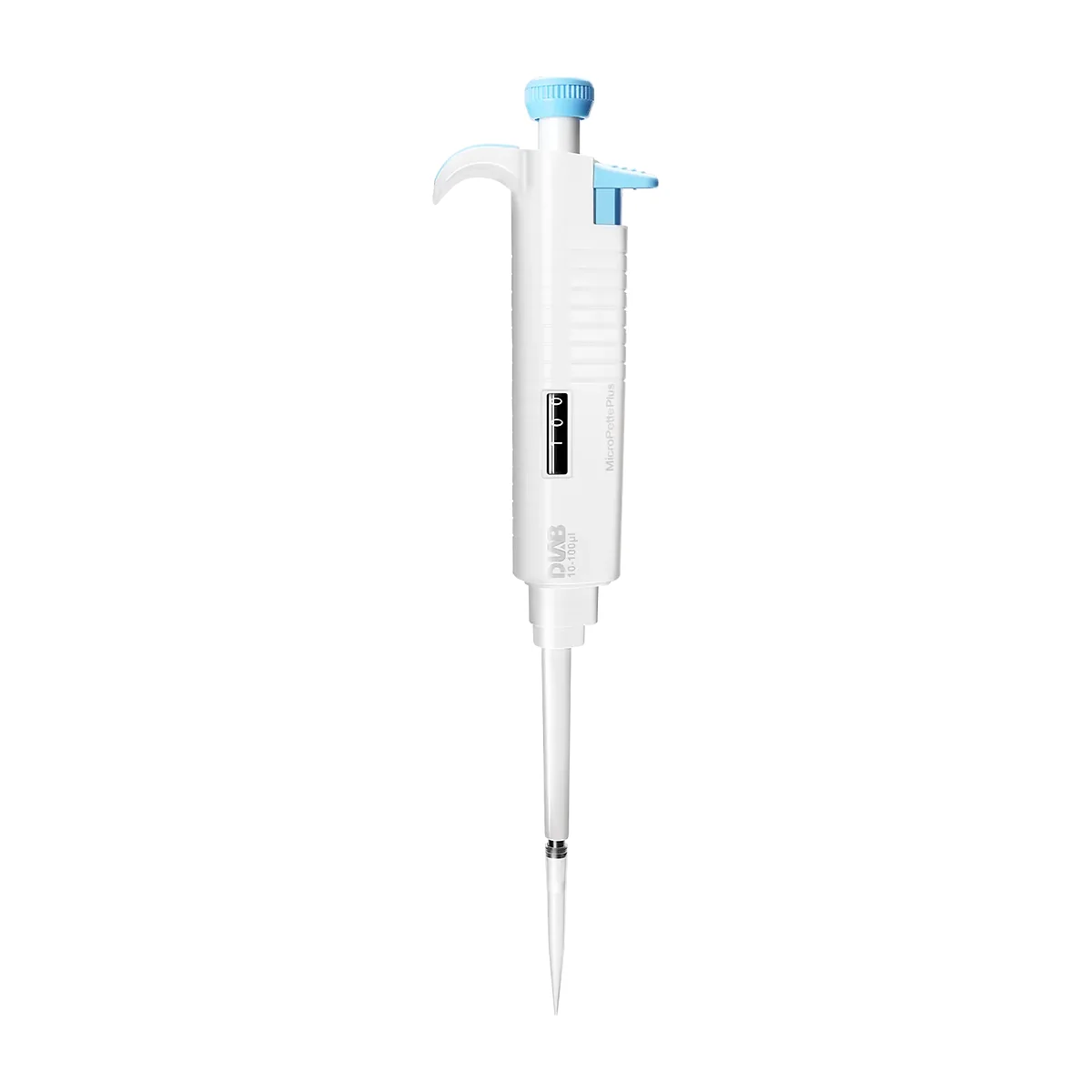
Hipette Single-channel Adjustable Volume color pipette 2-20ul (Nozzle of metal) | Each (7030641005)
Key features
- 2-20 μL color-coded pipette with metal (stainless steel) nozzle
- Metal nozzle resists abrasion and chemical corrosion
- Ergonomic lightweight body; digital display; calibration adjusted with the DLab calibration tool
- ISO 8655 compliant with individual test certificate
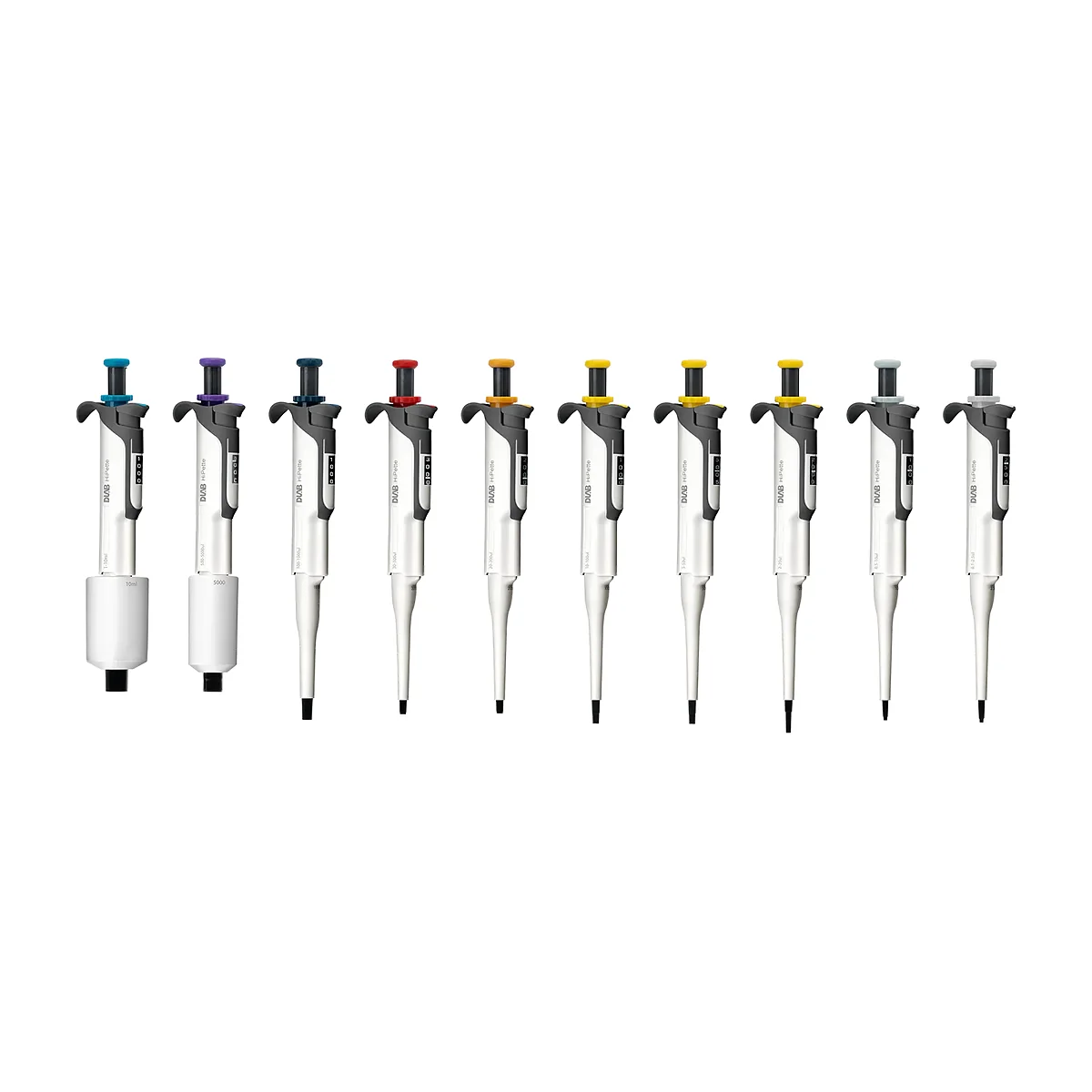
- Color-coded for quick identification in multi-pipette labs
Overview
The DLab Hipette 2-20 μL with metal nozzle is a color-coded single-channel adjustable mechanical pipette. The metal nozzle offers superior durability vs plastic nozzles, especially in high-throughput labs with frequent tip changes or aggressive solvents.
Specifications
| Model | Hipette Metal Nozzle (Cat. No. 7030641005) |
|---|---|
| Brand | DLab Scientific (Beijing) |
| Type | Single-channel, adjustable volume, air displacement, color-coded, metal nozzle |
| Volume Range | 2-20 μL |
| Increment (Step) | 0.1 μL (fine adjustment) |
| Accuracy (±%) | ±2.5% at 2 μL; ±1.5% at 10 μL; ±1.0% at 20 μL |
| Precision (CV%) | ≤1.5% at 2 μL; ≤0.5% at 10 μL; ≤0.4% at 20 μL |
| Tip Cone Material | Stainless steel (metal nozzle) |
| Tip Cone Color | White / natural metal |
| Display | Digital mechanical counter |
| Calibration | Adjusted with the DLab calibration tool; refer to ISO 8655 |
| Autoclavability | Lower shaft only (121°C) |
| Weight | ~80 g |
| Length | 180 mm |
| Standard | ISO 8655; CE-marked |
Applications
Used in molecular biology (PCR, qPCR, NGS), drug discovery, and analytical chemistry requiring low-volume (2-20 μL) precision with frequent tip changes. Metal nozzle preferred for high-throughput workflows.
Setup guide
- Set volume; attach tip firmly to metal nozzle; pre-wet 3 times.
- Press plunger to first stop; immerse tip just below the surface, no deeper than 2 mm.
- Slowly release plunger; wait 1 second.
- Dispense to first stop, then second stop to blow out.
- Eject tip into biohazard container.
Compatibility
Compatible with universal 200 μL pipette tips. Optional: replacement seal kit; calibration tool; wall stand.
Precautions
Never pipette without a tip. Do not invert pipette with liquid in tip. Always pre-wet tip 3 times. Metal nozzle may corrode with prolonged acid/base exposure — rinse after use.
Documents
FAQ
What is the best way to pipette viscous liquids with the 2-20 µL Hipette?
DLab recommends reverse pipetting for viscous or volatile liquids: press to the second stop, release slowly to aspirate more than the set volume, dispense to the first stop and discard the leftover in the tip. Aspirate slowly to avoid bubbles and pre-wet the tip.
How do I check or adjust the calibration of the Hipette 2-20 µL pipette?
To check volume, weigh dispensed distilled water on an analytical balance and convert the mass to volume with the ISO 8655-6 Z factor for the water temperature and pressure; 1 mL does not weigh exactly 1 g. To adjust, DLab's guide says to turn the calibration adjustment lock with the calibration tool. DLab states its specifications are guidelines and user calibration should refer to ISO 8655.
Does the metal nozzle Hipette 2-20 uL need special care?
DLab's guide gives no special procedure for the metal nozzle. General care applies: press the tip on firmly, pre-wet it 2-3 times, clean dried liquid from the tip cone with alcohol, and store the pipette upright with the volume set to the top of its range.
How should I store the 2-20 µL pipette and check it for leaks?
After use set the volume to the top of the range so the spring relaxes, and keep the pipette upright on a hook or pipette rack. Never lay it down with liquid in the tip. For a leak check, aspirate liquid, hold the pipette vertical for a few seconds and see if the level drops; if it does, check the tip fit, the spring and the piston.
What causes liquid droplets or low volume with the 2-20 µL pipette?
DLab's troubleshooting table lists an unsuitable tip (use DLab original tips), poor tip wetting (repeat pipetting 4-5 times), an improperly seated tip, liquid dried in the tip cone (clean with alcohol), a dirty piston or a damaged O-ring. If the plunger sticks, clean and grease the piston and O-ring; other faults go back to the service centre.