
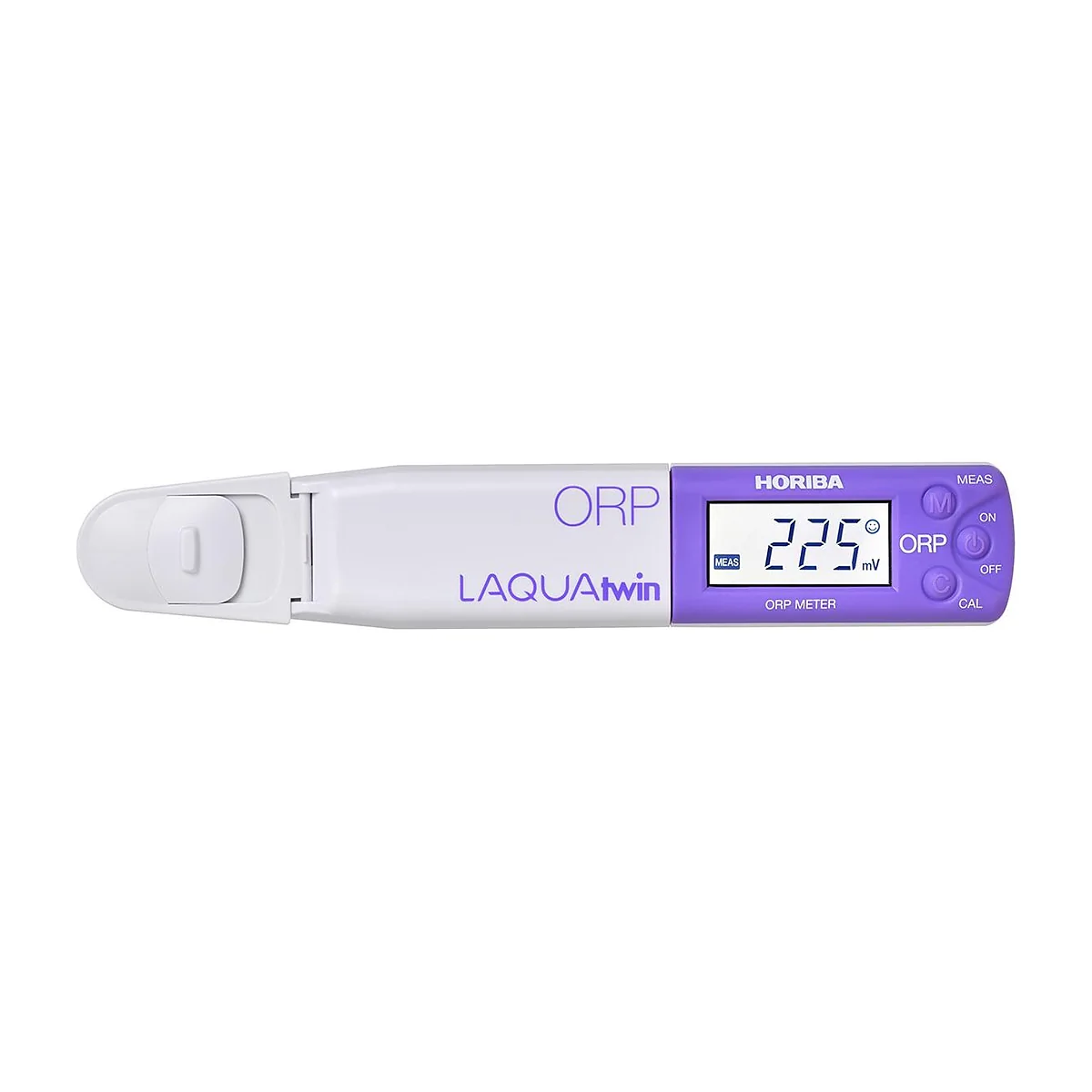
LAQUAtwin ORP-11 ORP/Eh pocket meter (3200965260)
Price on request
Scichemtech · scichemtech.ae · +971 50 391 6126 · sales@sctme.ae
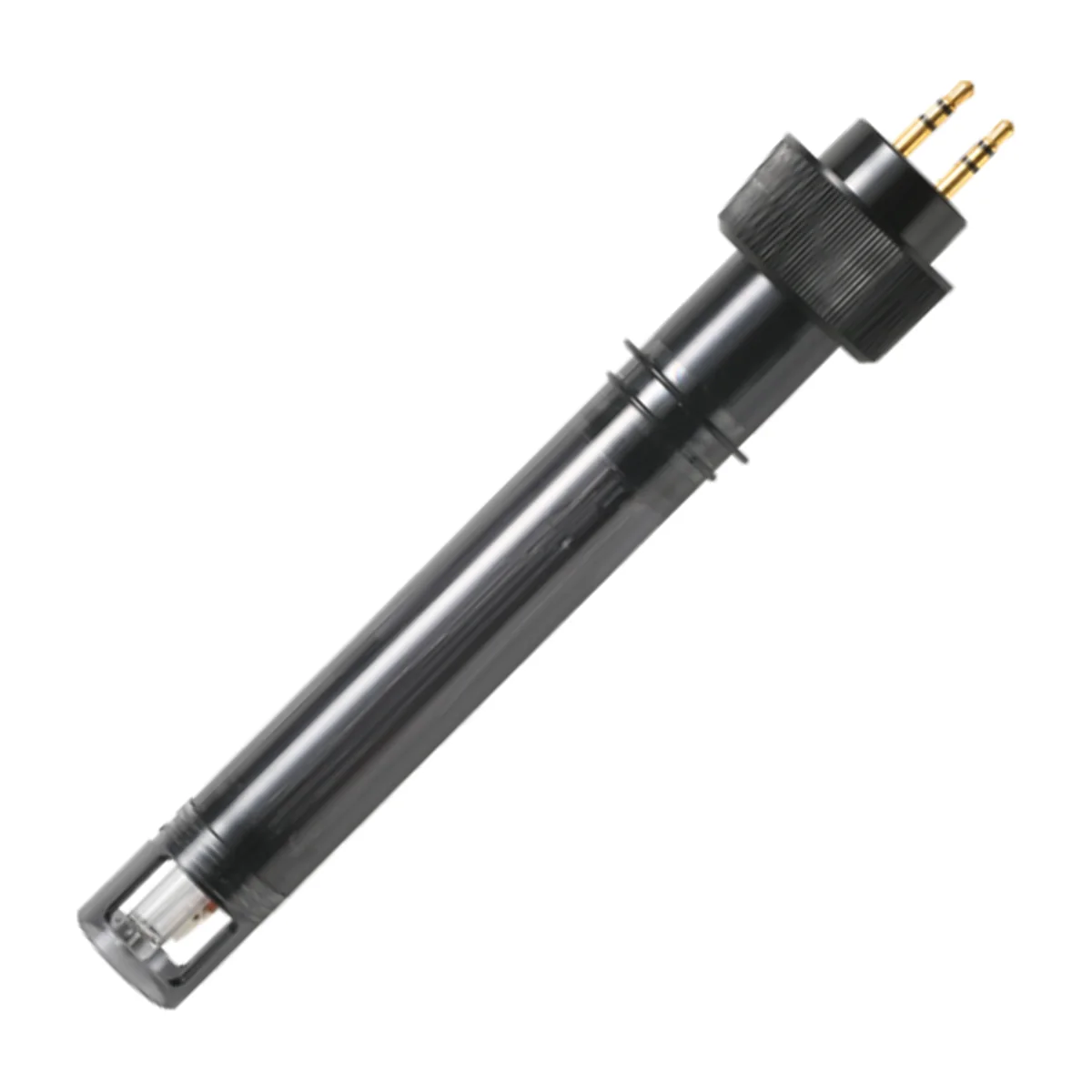
The HORIBA 300-O-C (article 3200922104) is an ORP (oxidation-reduction potential) sensor cartridge designed for the HORIBA WQ-300 series multi-parameter water-quality sondes. It uses a platinum sensing electrode, gel-form non-refillable KCl reference with ceramic liquid junction, and an integrated temperature sensor in a 110 × Φ16 mm plastic-body cartridge rated 0-80 °C.
| Model | 300-O-C |
|---|---|
| Electrode material | Platinum (Pt), plastic body |
| Temperature range | 0 to 80 °C |
| Liquid junction | Ceramic |
| Temperature sensor | Integrated |
| Length | 110 mm |
| Diameter | Φ16 mm |
| Inner solution | Gel-form KCl (non-refillable) |
Used as a field-deployable ORP sensor for HORIBA WQ-300 series multi-parameter water-quality monitoring in surface water, wastewater, aquaculture, drinking water and industrial process water. ORP is a useful indicator of disinfection effectiveness (e.g. chlorination, ozone), redox state, and biological activity in water systems.
HORIBA WQ-300 series multi-parameter water-quality sondes (300-C, 300-D, etc.); HORIBA 300 series sensor cables and extension cables (300-EXT-10).
Do not disassemble or attempt to refill the gel-form KCl reference. Avoid exposure to hydrofluoric acid, strong oxidisers at high concentration, and solvents that attack plastic (e.g. acetone). Rinse with clean water after use in saline or fouling-prone samples and store with the protective cap filled with KCl storage solution to prevent dehydration of the ceramic junction.
It is the ORP sensor cartridge for the HORIBA WQ-300 series. HORIBA lists the matching sensor heads as 300-O-2 (2 m cable) and 300-O-5 (5 m cable) and sells it in WQ-300 ORP kits.
No. It has a platinum sensing element in a plastic body with a ceramic junction and gel-form KCl that is non-refillable, so it needs no topping up. Do not try to open or refill it.
It works from 0 to 80 C, has an integrated temperature sensor, is 110 mm long and 16 mm in diameter. The flat platinum sensor at the tip allows measurement of small sample volumes and the cartridge is waterproof.
HORIBA's WQ-300 ORP kits include 560-225 ORP solution (60 ml), so it is the ORP solution supplied for use with this cartridge. Immerse the rinsed cartridge in it and confirm the reading before measuring samples.