Scichemtech · scichemtech.ae · +971 50 391 6126 · sales@sctme.ae
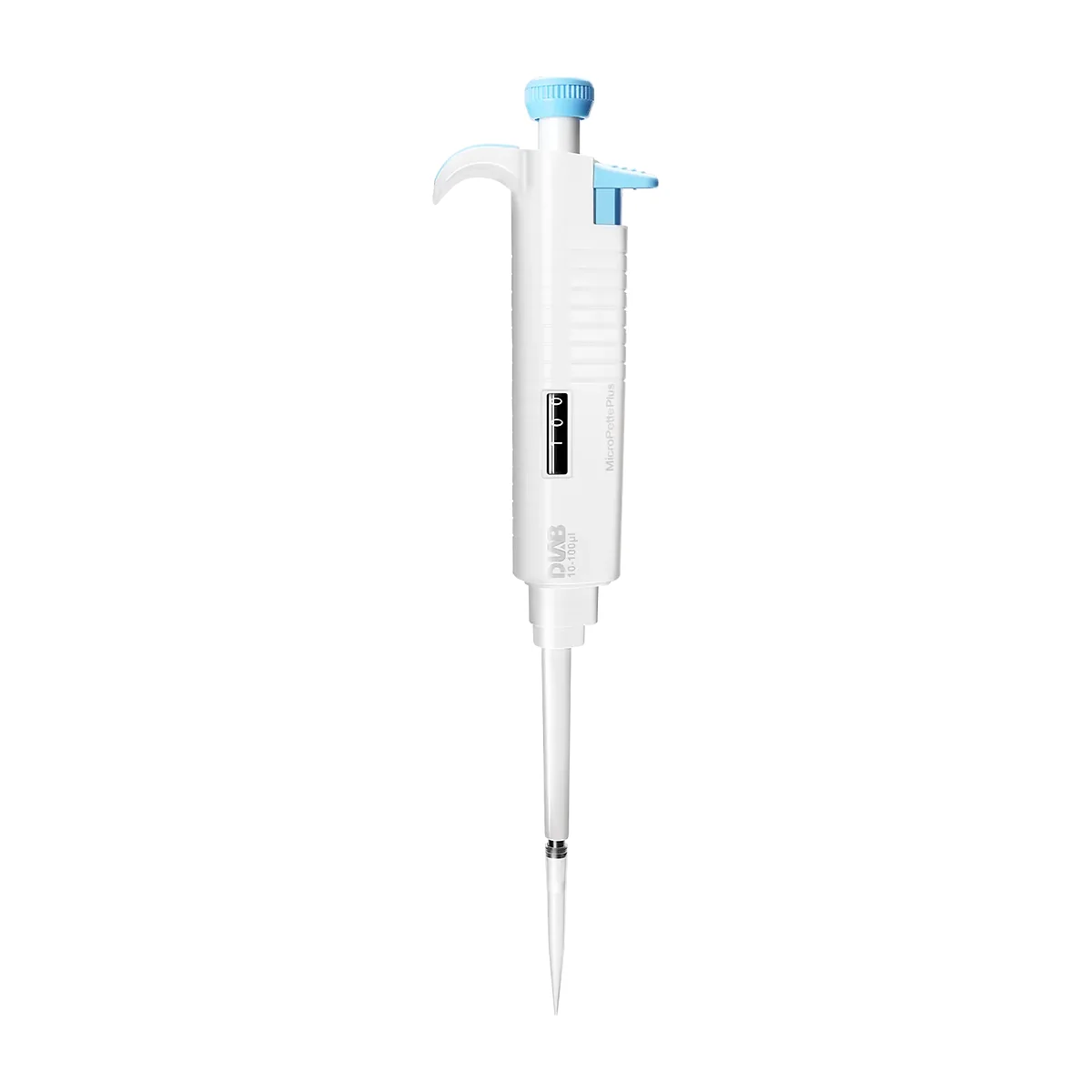
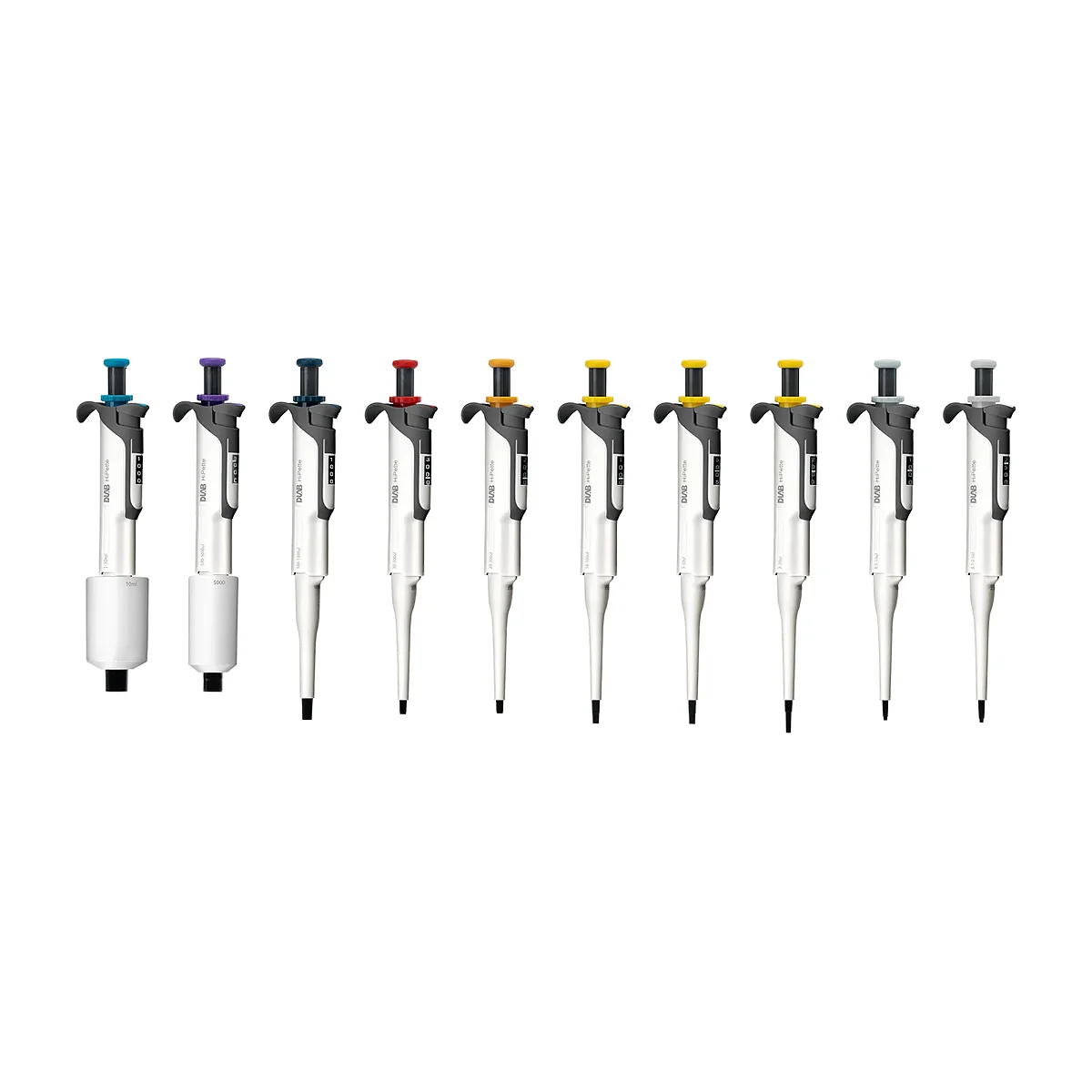
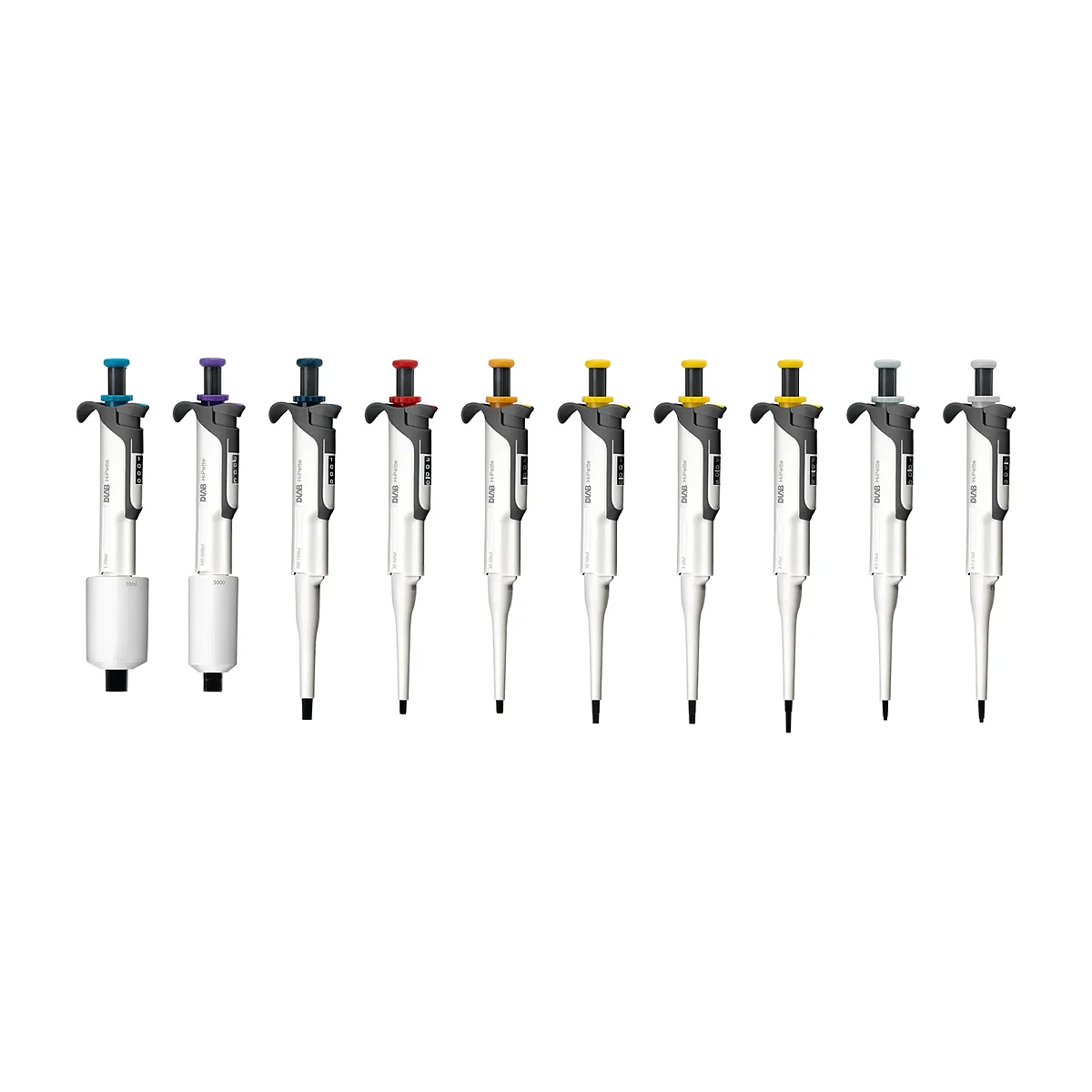
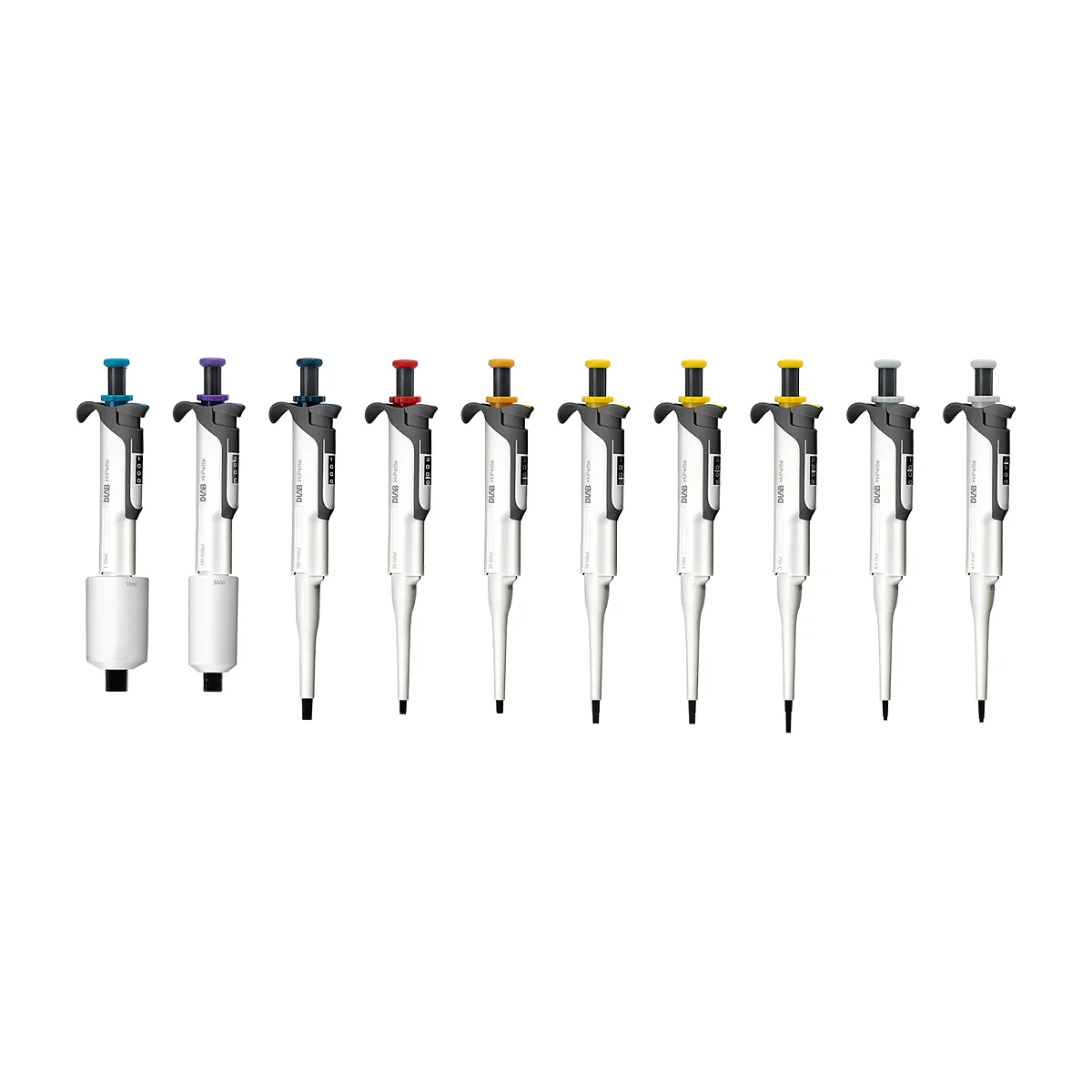
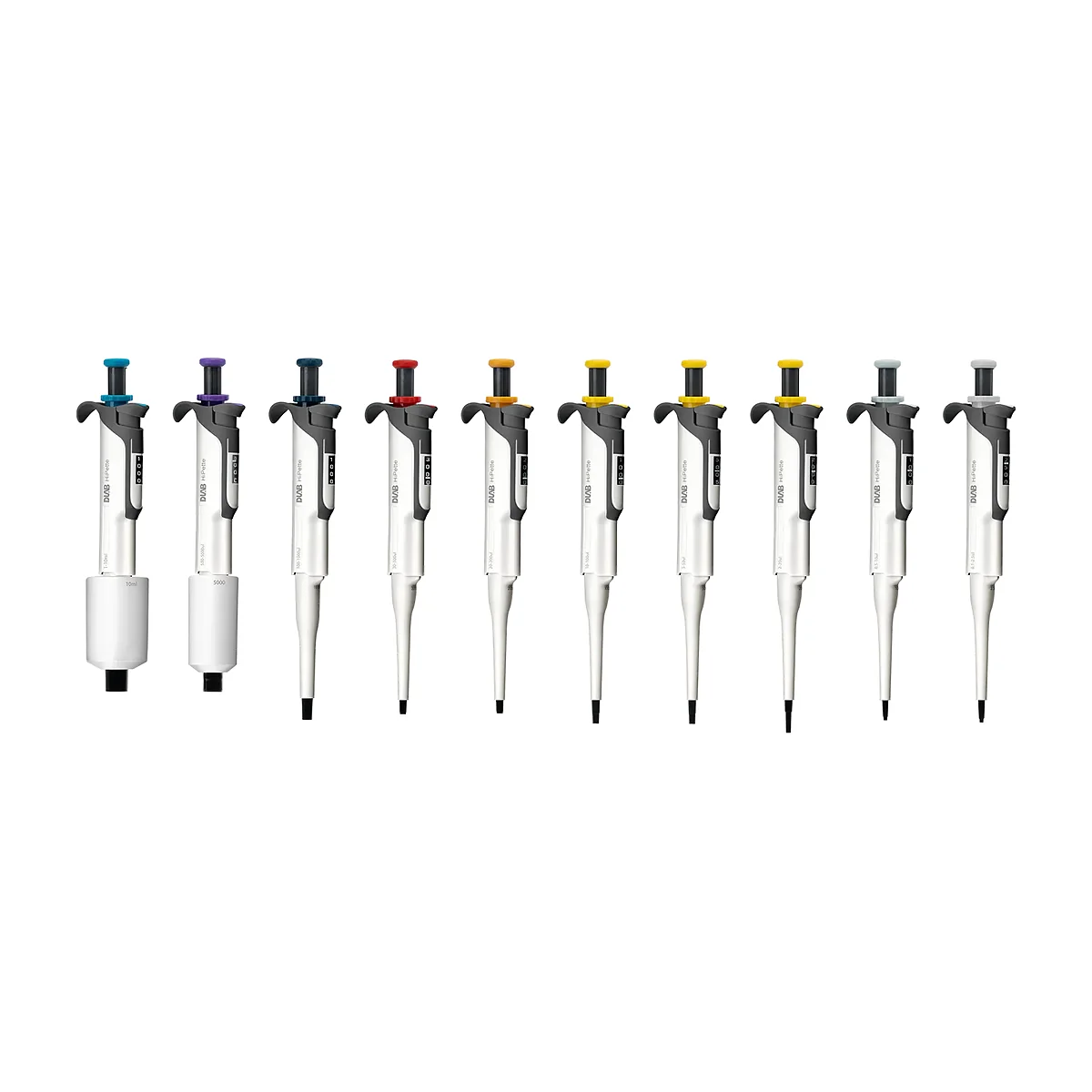
MicroPette Plus Fully Autoclavable Adjustable Volume Mechanical Pipette 20-200μL | Each (7030301009)
Key features
- Fully autoclavable at 121°C for sterile molecular biology work
- 20-200 μL volume range — most commonly used pipette volume
- Ergonomic lightweight body; digital display; calibration adjusted with the DLab calibration tool
- ISO 9001 / ISO 13485 certified manufacturing
- ISO 8655 individual test certificate
Overview
The DLab MicroPette Plus 20-200 μL is a fully autoclavable single-channel adjustable mechanical pipette covering the most-used range in molecular biology. The autoclavable design supports sterile workflows involving RNA, bacteria, viruses, or other contamination-sensitive samples.
Specifications
| Model | MicroPette Plus (Cat. No. 7030301009) |
|---|---|
| Brand | DLab Scientific (Beijing) |
| Type | Single-channel, adjustable volume, air displacement, fully autoclavable |
| Volume Range | 20-200 μL |
| Increment (Step) | 1 μL (fine adjustment) |
| Accuracy (±%) | ±3.00% at 20 μL; ±0.80% at 100 μL; ±0.60% at 200 μL |
| Precision (CV%) | ≤1.00% at 20 μL; ≤0.30% at 100 μL; ≤0.15% at 200 μL |
| Tip Cone Color | Yellow |
| Autoclavability | Fully autoclavable (121°C / 1 bar / 20 min) |
| Display | Digital mechanical counter |
| Calibration | Adjusted with the DLab calibration tool; refer to ISO 8655 |
| Quality | ISO 9001 / ISO 13485 certified |
| Weight | ~80 g |
| Length | 180 mm |
| Standard | ISO 8655; CE-marked |
Applications
Used in molecular biology, microbiology, virology, and clinical labs where sterile pipetting of 20-200 μL volumes is required. Common in PCR setup, DNA/RNA extraction, ELISA, and bacterial transformation protocols.
Setup guide
- After autoclaving, allow to cool and dry for 12 hours.
- Set volume; attach tip; pre-wet 3 times.
- Press to first stop; immerse tip just below the surface (see the pipette user guide for the maximum depth).
- Aspirate; wait 1 second.
- Dispense to first stop then second stop.
Compatibility
Compatible with universal 200 μL pipette tips. Optional: replacement seal kit; calibration tool; wall stand.
Precautions
Cool to room temperature after autoclaving before use. Do not autoclave more than 20 minutes. Check performance after every autoclave cycle and grease the piston and seal after every 10th. Avoid volatile solvents — use positive-displacement pipette instead.
Documents
FAQ
Is the MicroPette Plus 20-200 µL pipette fully autoclavable?
Yes. DLab states MicroPette Plus pipettes are fully autoclavable at 121 C and 1 bar for 20 minutes. Afterwards let the pipette cool and dry for 12 hours, check its performance, and grease the piston and seal after every 10 autoclave cycles.
What accuracy does the 20-200 µL MicroPette Plus achieve?
DLab's ISO 8655-2 error limits for this range are ±0.60% accuracy and 0.15% CV at 200 µL, and ±3.00% accuracy with 1.00% CV at 20 µL. DLab notes these are guidelines and user calibration should follow ISO 8655.
How do I check or adjust the calibration of the MicroPette Plus 20-200 µL pipette?
To check volume, weigh dispensed distilled water on an analytical balance and convert the mass to volume with the ISO 8655-6 Z factor for the water temperature and pressure. To adjust, turn the calibration adjustment lock with the calibration tool. DLab says each MicroPette Plus ships with an individual ISO 8655 calibration certificate and lists online calibration as available.
How do I pipette accurately with the 20-200 µL MicroPette Plus?
Fit a tight, DLab original tip, set the volume by turning the knob down to the value (approach from above, never past the range limit) and pre-wet the tip 2-3 times. DLab's guide gives a maximum immersion depth of 2 mm for this volume class, so keep the tip just below the meniscus and hold the pipette vertical while aspirating.
How should I store the 20-200 µL pipette and check it for leaks?
After use set the volume to the top of the range so the spring relaxes, and keep the pipette upright on a hook or pipette rack. Never lay it down with liquid in the tip. For a leak check, aspirate liquid, hold the pipette vertical for a few seconds and see if the level drops; if it does, check the tip fit, the spring and the piston.